Associates managing the late Grand Ayatollah's estate have discovered a tablet with fourteen months of viewing history on Kick, concentrated almost entirely on content by the influencer known as Clavicular.

Despite periodic crackdowns, women in Tehran and other major cities are openly defying compulsory hijab enforcement, signaling a generational shift in public norms.

Iranian universities produce tens of thousands of highly educated graduates annually, yet faculty face restrictions on teaching, research topics, and international collaboration that are driving talent abroad.
From clandestine cinema screenings to underground music venues, Iranian artists have developed sophisticated methods for producing and distributing work that would not survive official scrutiny.
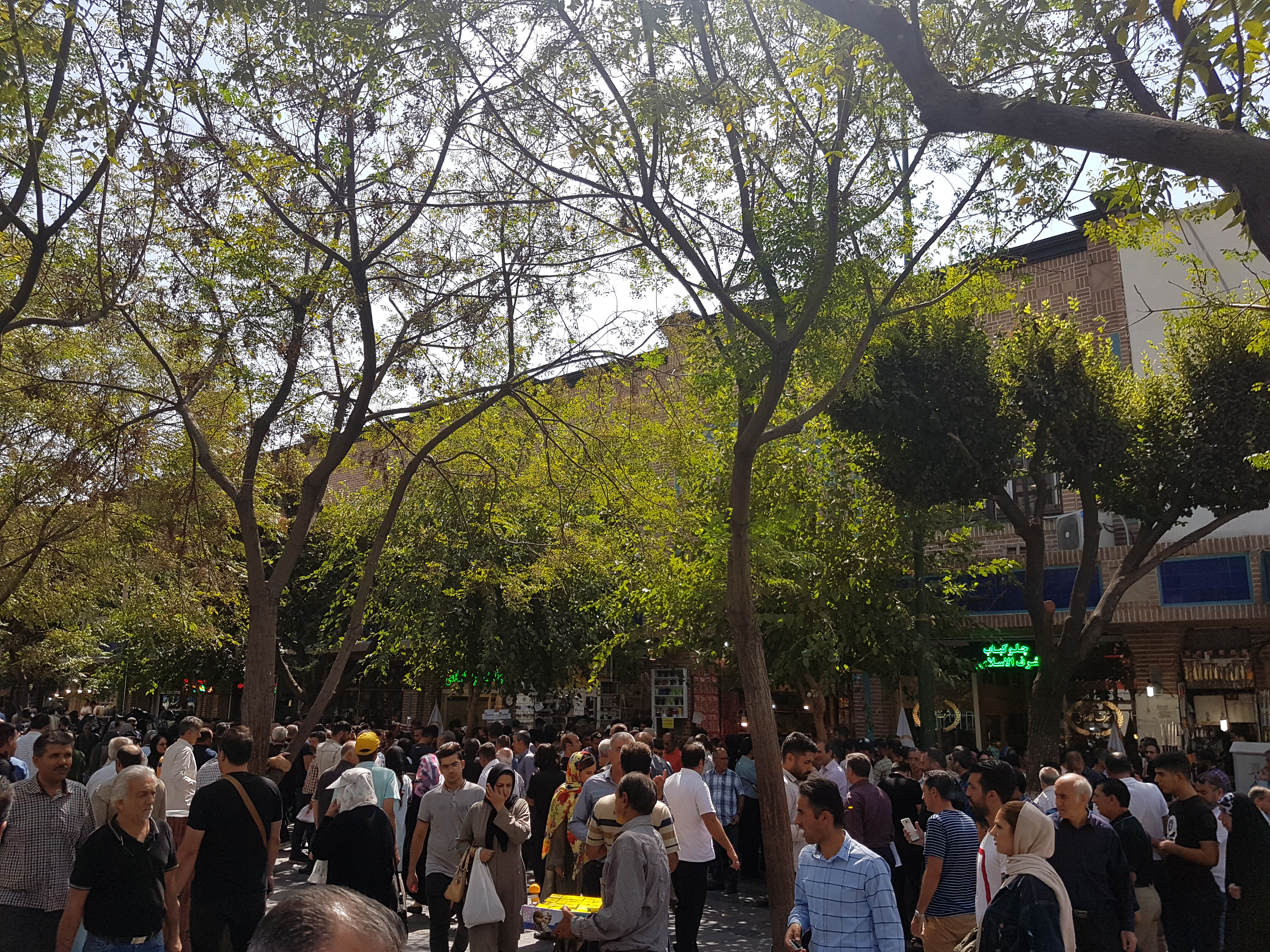
Iran operates one of the world's most extensive internet filtering systems, yet VPN usage is nearly universal among urban Iranians — an open secret that the authorities have largely given up trying to close.
Official statistics and surveys of university students show emigration intent at its highest recorded level, with medicine, engineering, and computer science graduates most likely to leave within five years of graduating.
Iranian authorities have summoned and in some cases arrested social media personalities with large followings, charging them with spreading "immoral content" and "acting against national security."
Iran has one of the world's highest rates of opiate addiction, a legacy of geography, poverty, and decades of inadequate treatment infrastructure. A new public health initiative is testing a different approach.